Certification Library
Emergency Preparedness Certifications
Explore emergency preparedness training, response credentials, and practical study resources that help you build confidence in planning, safety, and community readiness.
What to Expect
How this topic helps
Emergency preparedness certifications can support personal readiness, volunteer work, workplace safety, and community response. This page highlights the areas learners often compare before choosing a program.
Who it serves
Helpful for volunteers, educators, parents, community leaders, workplace safety teams, and anyone who wants stronger emergency planning skills.
What you may study
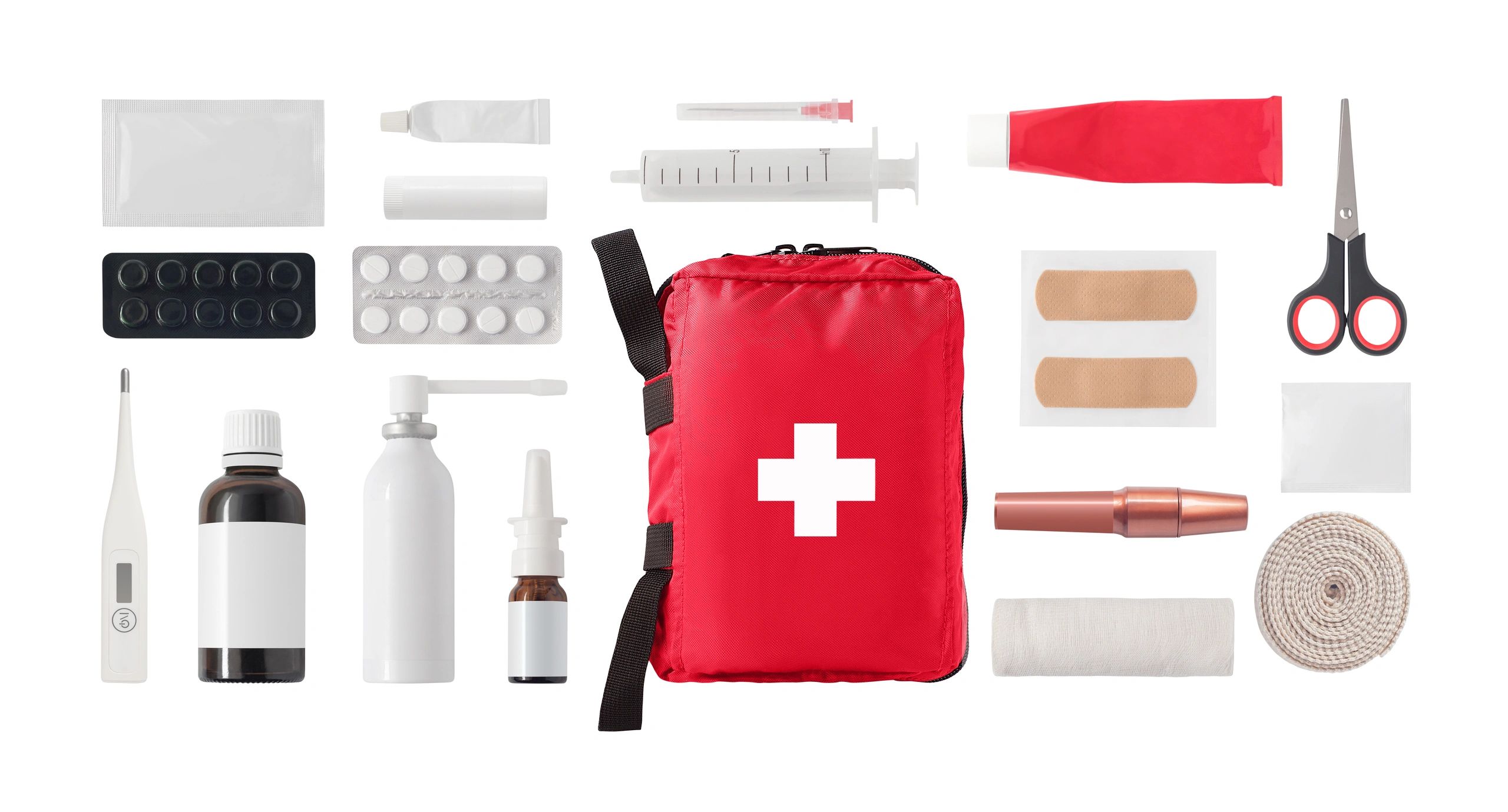
Common topics include first aid basics, incident response, evacuation planning, communication protocols, hazard awareness, and emergency supply planning.
Why it matters
Preparedness training builds confidence before a crisis happens and can make it easier to respond calmly, communicate clearly, and support others.
How to prepare
Start with program requirements, compare time commitments, review study materials, and look for practical scenarios that match your goals.
Focus Areas
Key learning paths
Use these content pathways to explore emergency preparedness from different angles and find the next best resource for your learning journey.